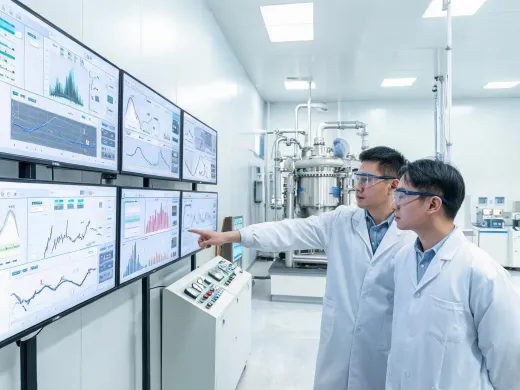
Low-carbon aluminum routes
Process improvement, energy sourcing and product data come together to support lightweight applications with clearer carbon context.
Technology
New process pathways for aluminum, titanium and copper programs that must connect material performance with lower-carbon production and practical scale.
Process Story
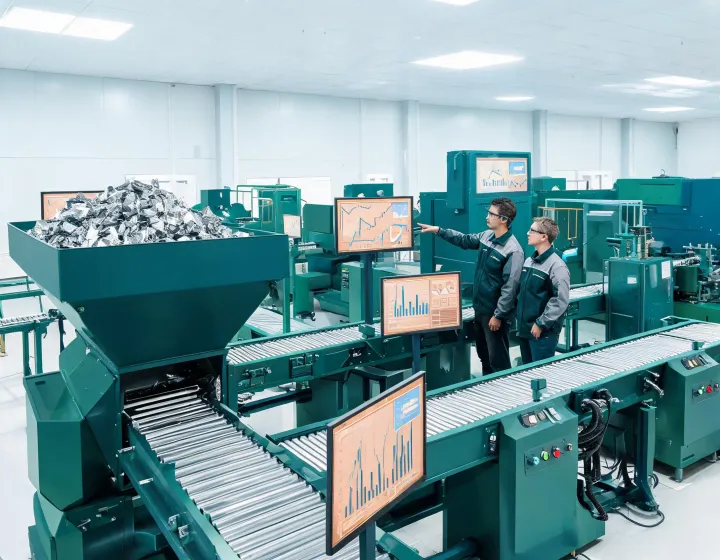
Rio Tinto technology serves teams that must defend a material decision inside procurement, engineering and carbon reporting review. The theme is not decorative innovation. It is the practical work of improving smelting routes, increasing recycled content where the application permits, strengthening process visibility and making product information easier to review.
The program view begins with aluminum because lightweight structures and electrified transport need both material performance and a credible route for lower-carbon supply. It also includes copper because grid buildout, data centers and renewable power require conductive material at large scale. Titanium remains part of the conversation when corrosion, heat, fatigue or weight make ordinary options too expensive over the life of the application.
Technology matters when it changes the decisions a buyer can make: which route is available, what documentation follows the order, how recycled content is handled and how the material plan adapts when demand changes.
Process improvement, energy sourcing and product data come together to support lightweight applications with clearer carbon context.
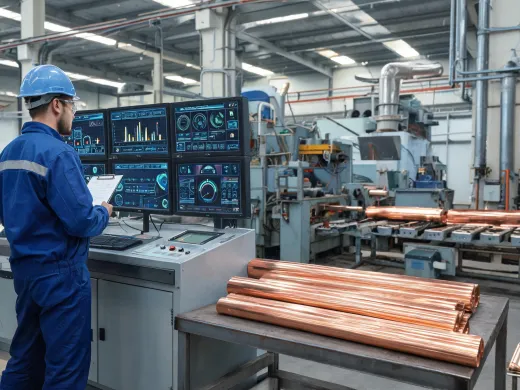
Electrical infrastructure buyers benefit when process route, conductivity expectations and supply planning are visible early.

Testing and documentation help demanding applications evaluate strength, corrosion and lifecycle value before a specification freezes.
Request a Technology Review
Share the material family, expected use case and decision timeline. Rio Tinto can help frame the technology questions behind the supply plan.